
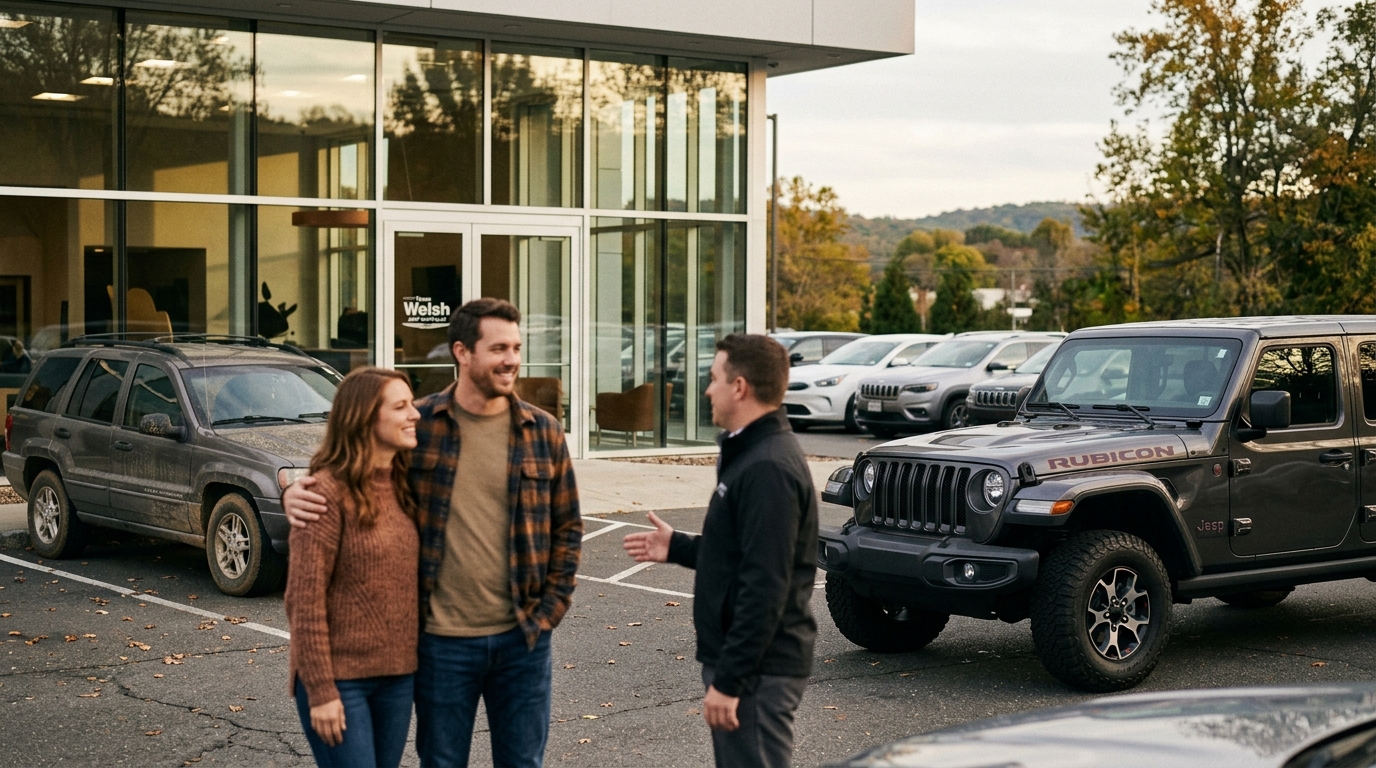
Team Welsh Jeep Chrysler in Far Hills, New Jersey, accepts trade-ins for new and used Jeep and Chrysler vehicles. This guide explains how to evaluate dealers, verify credentials, understand costs, and navigate the trade-in process. It covers local specifics, timing strategies, and long-term outcomes for New Jersey drivers. For additional details, review the teamwelshjeepchrysler com.
How to Choose a Dealer
Choosing the right dealer requires looking beyond inventory. A good dealer provides transparent valuation and clear service options. Team Welsh Jeep Chrysler serves the Far Hills community with a focus on straightforward automotive experiences. You should look for a business that combines vehicle sales with essential aftercare services. This ensures your trade-in is handled with the same care as your new purchase. For additional details, review the .
Inventory and Service Integration
Community Focus
Local dealers often prioritize customer relationships over high-volume transactions. This can lead to more personalized service. They are more likely to negotiate fairly because they rely on local reputation. Team Welsh Jeep Chrysler is dedicated to serving the local community, which often translates to a more attentive buying experience. For additional details, review the Customer Experience.
What to Ask Before Committing
Specific questions reveal a dealer's transparency. Ask how the trade-in value is calculated. Request a written breakdown of the offer. Inquire about any fees associated with the trade-in process. These questions help you understand the true value of your vehicle. For additional details, review the Frequently Asked Questions.
Valuation Methodology
Ask if they use a standardized guide or an internal appraisal. Understanding the method helps you gauge fairness. If they use a third-party service, ask which one. This ensures the valuation is based on objective market data rather than subjective opinion. For additional details, review the About.
Fee Structure
How to Verify Claims
Verifying credentials protects your interests. Check the dealer's licensing status with the New Jersey Motor Vehicle Commission. Look for reviews from recent customers. Verify that the service department is staffed by certified technicians. These steps confirm the dealer operates within legal and professional standards.
Licensing and Registration
Every legitimate dealer in New Jersey must be licensed. You can verify this through state records. Ensure the license is current and in good standing. This is a basic but critical step in ensuring you are dealing with a legal entity.
Service Credentials
Check if the service center employs factory-trained technicians. This is particularly important for Jeep and Chrysler vehicles. Certified technicians have specific training on these brands. Their expertise ensures that any issues with your trade-in are identified correctly.
How the Trade-In Process Works
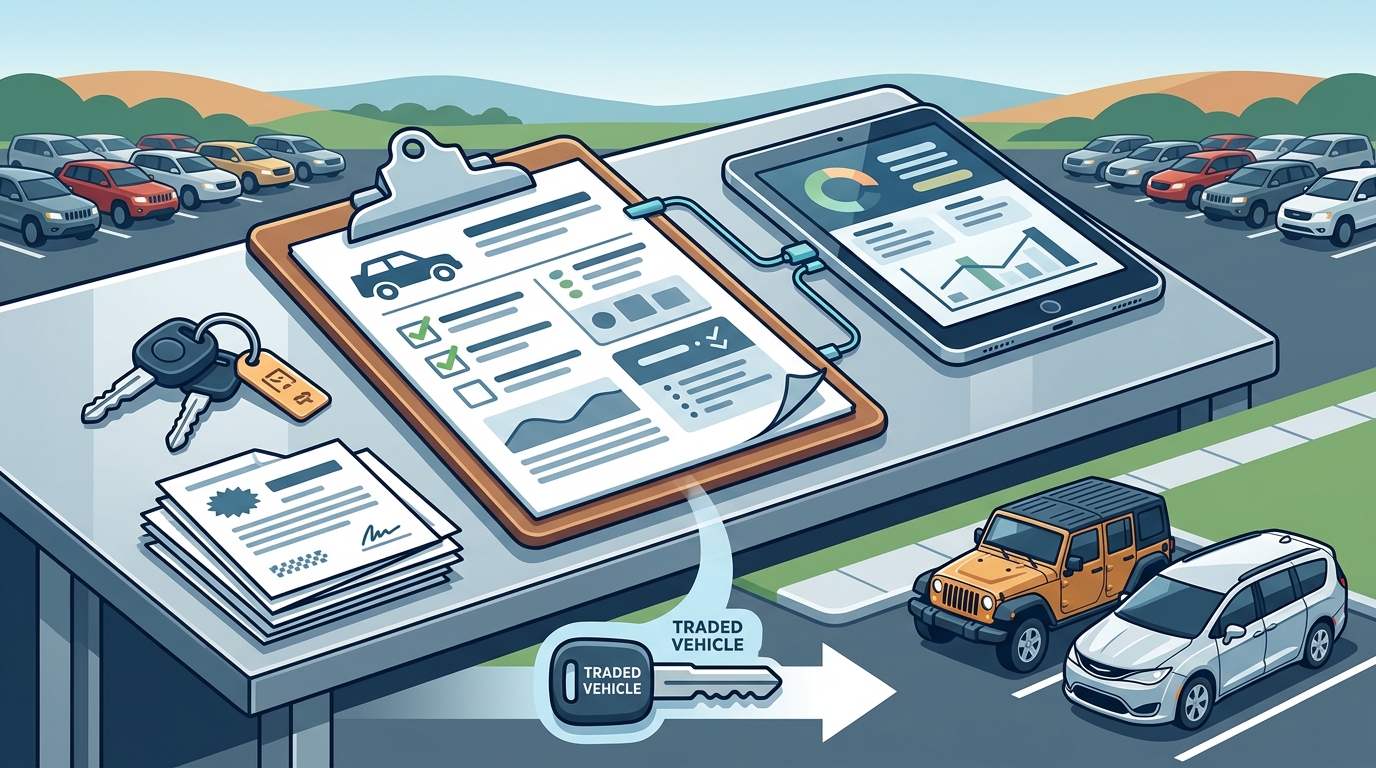
The trade-in process follows a logical sequence. First, you receive a preliminary offer. Next, you bring the vehicle for inspection. Finally, you negotiate and finalize the deal. Understanding this order helps you manage expectations. It also allows you to prepare the necessary documents in advance.
Step 1: Preliminary Offer
Most dealers provide an initial quote based on online information. This is not a binding offer. It serves as a starting point for negotiation. You should use this quote to compare with other local options.
Step 2: Physical Inspection
The dealer inspects the vehicle's interior, exterior, and mechanical condition. This inspection determines the final value. Be present during this inspection if possible. It allows you to discuss any findings immediately.
Step 3: Final Negotiation
Based on the inspection, the dealer presents a final offer. You can negotiate this amount. Once agreed, the trade-in value is applied to your new vehicle purchase. The process typically takes one to two days to complete.
What It Costs
Trade-in costs are often hidden in the final price. Documentation fees are a common expense. These fees cover the administrative work of transferring ownership. They can range from a few hundred to over a thousand dollars. Understanding these costs helps you calculate the true net value of your trade-in.
Documentation Fees
Documentation fees are charged by the dealer for processing the title transfer. They are not regulated by the state in the same way as taxes. Therefore, they can vary significantly between dealers. Always ask for a breakdown of these fees before signing.
Market Value Fluctuations
The value of your trade-in depends on current market conditions. High demand for specific models can increase value. Conversely, a surplus of similar vehicles can decrease it. Timing your trade-in with market trends can maximize your return.
Common Mistakes to Avoid
Underestimating Vehicle Condition
Buyers often overlook minor issues that affect value. Dents, scratches, and worn tires can reduce the offer. Addressing these issues before the trade-in can improve the final number. A professional detail can make a significant difference in perception.
Lack of Documentation
Missing maintenance records can lower the valuation. Dealers rely on service history to assess mechanical health. Keep all receipts and records organized. This demonstrates that the vehicle has been well cared for, supporting a higher trade-in value.
Trade-Ins Versus Alternatives
Trading in is not the only option. Selling privately can yield a higher price but takes more time. Selling to a car buying service is faster but often pays less. Each option has trade-offs in time, effort, and return. Choosing the right path depends on your specific circumstances.
| Option | Time Required | Effort Level | Typical Return |
|---|---|---|---|
| Dealer Trade-In | 1-2 Days | Low | Moderate |
| Private Sale | 2-8 Weeks | High | High |
| Car Buying Service | 1 Day | Low | Low to Moderate |
For Specific Situations
Your situation affects the best approach. If you are buying a new Jeep, trading in at a Jeep specialist like Team Welsh Jeep Chrysler is often ideal. They understand the specific value of these vehicles. If you are selling a non-Jeep vehicle, a general dealer might be better. Tailoring your strategy to your specific vehicle and goals ensures the best outcome.
Buying a New Jeep
Jeep dealers often have better insight into the value of Jeep trade-ins. They know the resale market for these specific models. This expertise can lead to a fairer valuation. It also simplifies the process if you are upgrading within the brand.
Switching Brands
Rules and Protections
New Jersey law provides protections for consumers. The Motor Vehicle Commission regulates dealer practices. You have the right to a clear and accurate title. Ensure the dealer provides a copy of the bill of sale. These protections help prevent fraud and ensure fair dealing.
Consumer Rights
Consumers have the right to review all documents before signing. You can take documents home to review. You are not required to sign on the spot. Taking time to review ensures you understand all terms and conditions.
Title Transfer
The dealer is responsible for transferring the title correctly. Ensure the title is signed properly. Keep a copy of the title transfer documents. These records are important for your future ownership and any potential disputes.
Local New Jersey Specifics
Registration and Taxes
New Jersey requires vehicles to be registered with the state. Sales tax is applied to the purchase price. Trade-in values can affect the taxable amount. Understanding how trade-ins impact your tax bill is important for budgeting. The dealer can provide an estimate of your total tax liability.
Local Market Conditions
The local market in New Jersey influences vehicle values. Demand for specific models can vary by region. Urban areas might have different values than rural areas. Team Welsh Jeep Chrysler serves the Far Hills area, where local conditions are well understood. This local knowledge helps them provide accurate valuations.
Timing Your Trade-In
Timing can significantly impact your trade-in value. Seasonal changes affect demand for certain vehicles. For example, SUVs may be more in demand in winter. Market trends also play a role. Waiting for a price drop on your new vehicle can improve your overall deal. Aligning your trade-in with these factors can maximize your savings.
Seasonal Demand
Vehicle demand fluctuates with the seasons. Convertibles are more popular in summer. Trucks and SUVs are more popular in winter. Timing your trade-in to match seasonal demand can increase your value. Research the current demand for your vehicle type before selling.
Model Year Changes
New model years often lead to price drops on previous years. If you are buying a new model, waiting for the new year can save money. However, your trade-in value might also decrease. Balancing these factors requires careful planning. Consult with a dealer to determine the best time to act.
Results Over Time
Long-term results depend on your vehicle's maintenance and market trends. A well-maintained vehicle retains value better. Regular service at a certified center helps preserve condition. Over time, the value of your vehicle will depreciate. Understanding this depreciation curve helps you plan for future trades. It also helps you make informed decisions about when to sell.
Depreciation Curves
Vehicles depreciate most rapidly in the first few years. After that, the rate of depreciation slows. Knowing this curve helps you time your trade-in. Selling before the steepest drop can save you money. However, waiting too long can also reduce your value. Finding the sweet spot requires monitoring market trends.
Resale Value
Some vehicles hold their value better than others. Jeep and Chrysler models have specific resale characteristics. Understanding the resale value of your specific model helps you set realistic expectations. It also helps you negotiate a fair trade-in offer. A dealer with experience in these brands can provide valuable insights.
Key Takeaways
- Team Welsh Jeep Chrysler in Far Hills, NJ, accepts trade-ins for Jeep and Chrysler vehicles.
- Verify the dealer's licensing and service credentials before committing.
- Timing your trade-in with seasonal demand and model year changes can maximize value.
- Understand New Jersey's specific registration and tax requirements for trade-ins.
- Review all documents carefully before signing, and take time if needed.
Frequently Asked Questions
Does Team Welsh Jeep Chrysler accept trade-ins for non-Jeep vehicles?
Yes, Team Welsh Jeep Chrysler accepts trade-ins for a variety of vehicles, including non-Jeep and non-Chrysler models. They can provide a fair valuation based on current market conditions.
How long does the trade-in process take?
What documents do I need for a trade-in?
You need your vehicle title, a valid driver's license, and any maintenance records. If the vehicle is financed, you also need a payoff statement from your lender. Having these documents ready speeds up the process.
Can I negotiate the trade-in value?
How does the trade-in value affect my new car price?
The trade-in value is subtracted from the price of your new vehicle. This reduces the amount you need to finance or pay upfront. It can also affect your monthly payments and total interest paid. Learn more: teamwelshjeepchrysler com.